

- Aggressive U.S. moves targeting Russian and Venezuelan oil flows have pressured crude prices, creating a macro tailwind for Bitcoin’s early 2026 rally.
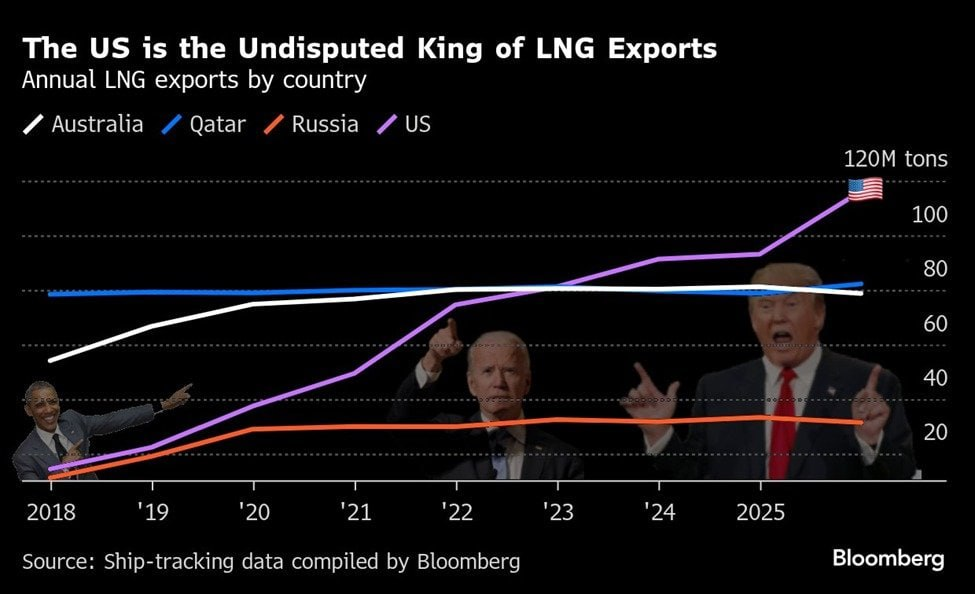
- Extreme bearish oil positioning, cheaper energy costs, and U.S. LNG export dominance indirectly benefit Bitcoin mining economics.
- A surge in Chinese stock market volumes and prices adds momentum to global risk assets like BTC and crypto.
Bitcoin traded around $90,600–$91,000 as of January 9, 2026, extending gains into the new year. The cryptocurrency has risen sharply since late 2025, with analysts pointing to escalating oil geopolitics as a key catalyst.
Recent U.S. actions, including tanker seizures tied to Russia and Venezuela, and pressure on Venezuelan oil flows, have flooded markets with supply expectations, driving crude prices lower and creating tailwinds for crypto.
Trump-Led Venezuela Policy Triggers Oil Price Drop
President Trump’s aggressive push to unlock Venezuela’s vast crude reserves has reshaped energy markets.
Reports indicate plans to integrate Venezuelan output could add significant barrels, targeting $50 per barrel crude.
This supply-driven collapse has weakened traditional energy assets while redirecting capital toward risk-on alternatives like Bitcoin.
Analysts note the shift hands Bitcoin a “rare advantage.” Lower oil prices ease inflationary pressures, supporting a softer dollar environment that favors non-yielding assets.
Additionally, heightened geopolitical uncertainty, from U.S. tariff threats on Russian buyers to direct intervention, has boosted Bitcoin’s appeal as a digital safe haven. One report described the developments as creating a “unique tailwind” for Bitcoin’s 2026 bull run.
Extreme Bearish Oil Positioning Signals Contrarian Opportunity
Hedge funds ended 2025 with near-flat to negative positioning on oil—the most bearish since 2009 for WTI and persistently short on Brent.
This extreme pessimism aligns with the supply glut narrative but raises questions of overcrowding. Historically, such lopsided bets have preceded reversals, though current policy risks appear to validate the bear case.
For crypto, sustained low oil prices could indirectly benefit miners by reducing global energy costs over time. Bitcoin mining remains power-intensive, and cheaper fossil fuels, or stable natural gas from U.S. dominance, lower operational expenses for U.S.-based operations.
U.S. LNG Export Dominance Bolsters Energy Security
The United States solidified its lead in LNG exports in 2025, shipping a record 116 million tons and capturing 25% of the global market. With new capacity ramping up, exports are projected to grow another 20 million tons in 2026.
This strengthens U.S. energy leverage amid geopolitical tensions, potentially stabilizing prices long-term.
While direct links to crypto are limited, abundant, cheap natural gas supports domestic power grids, aiding the growing concentration of Bitcoin mining in energy-rich U.S. states.
China Stock Rally Adds Risk-On Momentum
Meanwhile, Chinese onshore trading volume spiked to $401 billion on January 7, the highest since September, as stocks rallied to multi-year highs. Turnover has doubled since mid-2025, with broad participation signaling sustained momentum into 2026.
This risk-on surge in the world’s second-largest economy typically spills over to cryptocurrencies. Improved global sentiment and potential stimulus flows have historically lifted Bitcoin during Chinese equity booms.
Overall, these energy and geopolitical developments present a mixed but predominantly supportive backdrop for Bitcoin and crypto.
Supply-driven oil weakness and uncertainty drive haven demand, while broader risk appetite amplifies upside. Markets are trading power dynamics, and Bitcoin is benefiting.
What’s your Reaction?
+1
1

+1
0

+1
0

+1
0

+1
0

+1
0

+1
0