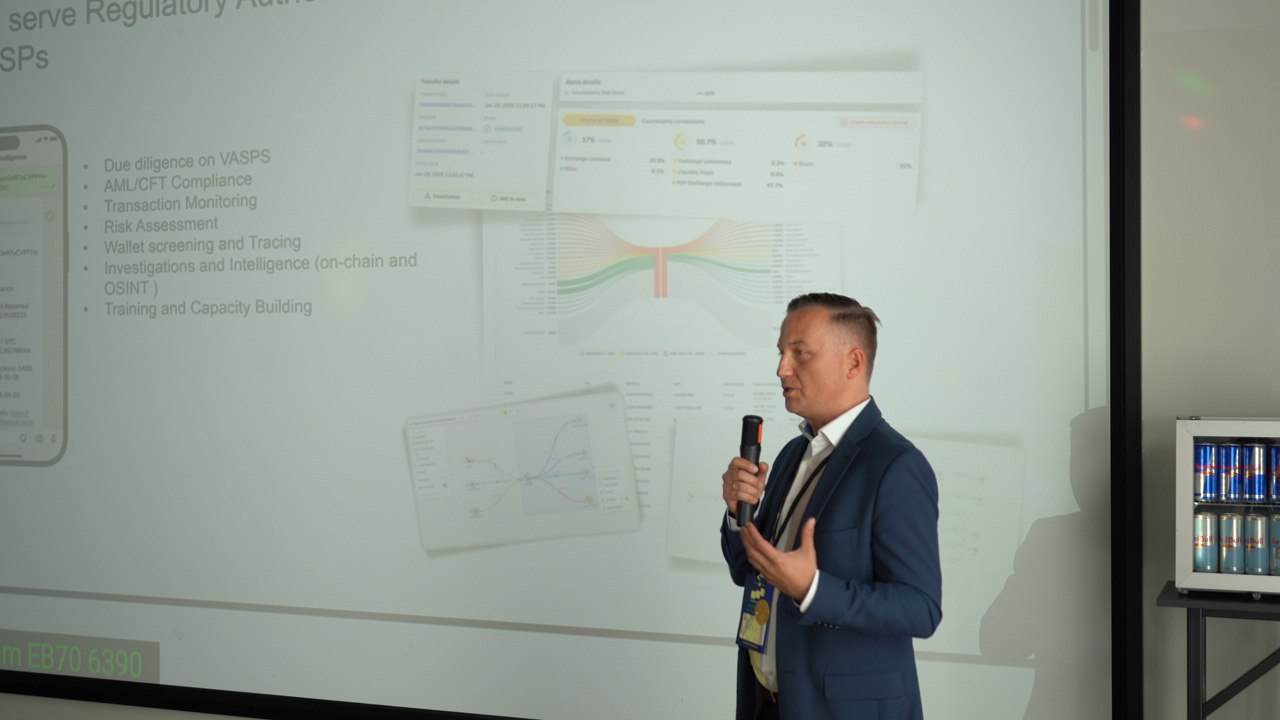

The monitoring of crypto transactions has evolved from purely technical tracing to a comprehensive, evidence-based process. Modern forensic approaches combine on-chain analysis with extensive off-chain intelligence, data structuring, and human validation. The aim is to deliver reliable and legally defensible insights into money flows, risk connections, and potential criminal activities. These insights are increasingly vital for financial institutions, regulators, and law enforcement agencies.
Goals and Focus of Transaction Monitoring
At the core lies the identification, classification, and tracing of funds: Where do funds originate, where do they flow, and which entities are involved? Monitoring systems visualize these flows, flag suspicious patterns, and prioritize high-risk cases. Additionally, they reveal critical nodes in the ecosystem, such as exchanges, marketplaces, or intermediaries that repeatedly act as receivers or senders in questionable transactions.
On-Chain Analysis versus Off-Chain Intelligence
On-chain analysis provides the technical backbone: transaction trails, address clustering, and token movement mapping. Off-chain intelligence adds context not visible in the blockchain itself, such as business structures, domain registrations, corporate records, or even field research. Together, these layers deliver a full picture—on-chain data shows the flow, while off-chain data explains the actors behind it.
Data Structuring and Labeling
Raw data alone is insufficient. Effective investigation requires extraction, normalization, and labeling of information. Labels categorize entities by risk level, activity type, or compliance status. Crucially, each label or attribution must be supported by verifiable evidence, ensuring that reports can withstand scrutiny by regulators or courts. Evidence-backed classification distinguishes robust intelligence from simple blockchain visualizations.
Due Diligence on Exchanges and Service Providers
Assessing crypto exchanges and service providers goes far beyond reviewing public terms and conditions. Independent checks are required to confirm whether stated compliance measures are genuinely applied. Field research, test transactions, and local verification often uncover discrepancies between declared and actual practices. For example, whether KYC procedures are enforced consistently, whether thresholds for documentation exist, and whether cash or privacy-enhancing transactions are still possible despite regulatory claims.
Onboarding, KYC Quality, and Identity Verification
The integrity of user identification processes is critical. Modern tools include document checks, liveness verification, and geolocation confirmation. Yet loopholes persist, such as account trading or falsified documents. Forensic evaluations must determine whether a platform genuinely applies KYC or simply claims to do so. The quality of onboarding processes ultimately dictates whether investigators can link suspicious transactions to real individuals or entities.
Investigative Workflow and Human Validation
Automated tools detect patterns, but human investigators validate findings. Analysts structure cases, conduct secondary research, verify information locally, and ensure evidentiary standards are met. A robust workflow typically includes data extraction, classification, detailed research, field validation, and final documentation. This combination of technology and human expertise transforms raw data into actionable intelligence suitable for law enforcement or compliance reports.
Cooperation with Law Enforcement, Victim Protection, and Asset Recovery
Evidence-based intelligence is invaluable for freezing illicit funds, supporting legal proceedings, and enabling victim recovery. Platforms that collect scam reports and consolidate victim cases create additional leverage for large-scale investigations. By connecting seemingly unrelated incidents, analysts can uncover fraud networks and coordinate with law enforcement more effectively. This also improves outcomes in civil litigation and asset recovery initiatives.
High-risk vectors include mixing services, privacy-focused cryptocurrencies, and opaque OTC desks. These mechanisms obscure fund flows and require in-depth off-chain research to expose ownership structures or affiliated businesses. Another common risk is regulatory arbitrage, where sanctioned or unlicensed exchanges continue operations through related entities in other jurisdictions. Such schemes highlight the importance of cross-border cooperation and field validation.
Practical Insights from Case Work
Real-world investigations reveal that many exchanges with official compliance statements still leave gaps. Some continue to process anonymous accounts, enforce KYC selectively, or operate shadow platforms under alternative branding. Field research and test account onboarding often provide the most valuable insights into actual practices. Additionally, linking multiple, seemingly unrelated data points frequently uncovers coordinated fraud schemes or sanction evasion strategies.
Operational Implications and Recommendations
Financial institutions and regulators should adopt a dual approach: combining advanced on-chain analytics with robust off-chain investigation frameworks. Investment in skilled analysts is essential to ensure that data labeling and attribution are accurate and verifiable. Collaboration with international partners, victim reporting platforms, and private sector intelligence providers further enhances effectiveness. Ultimately, the quality of evidence determines whether compliance measures or legal actions will hold up under scrutiny.
Outlook
As blockchain adoption grows, forensic techniques and intelligence frameworks will continue to mature. The dynamic between anonymity tools and forensic technologies will remain a constant arms race. Over time, we can expect more standardized evidentiary requirements and stronger institutional partnerships. This evolution will increase transparency in the crypto economy and provide regulators and law enforcement with sharper tools to combat financial crime, scams, and terrorism financing.
Related articles from Vienna Blockchain Week 2025:
The Machine Economy | Astrid Woollard Co-founder, General Partner, CIO at SMAPE Capital @ VBW25
Vienna Blockchain Week 2025: Bybit and Venionaire make big announcements in Vienna
What’s your Reaction?
+1
0
+1
0

+1
0

+1
0

+1
0

+1
0

+1
0