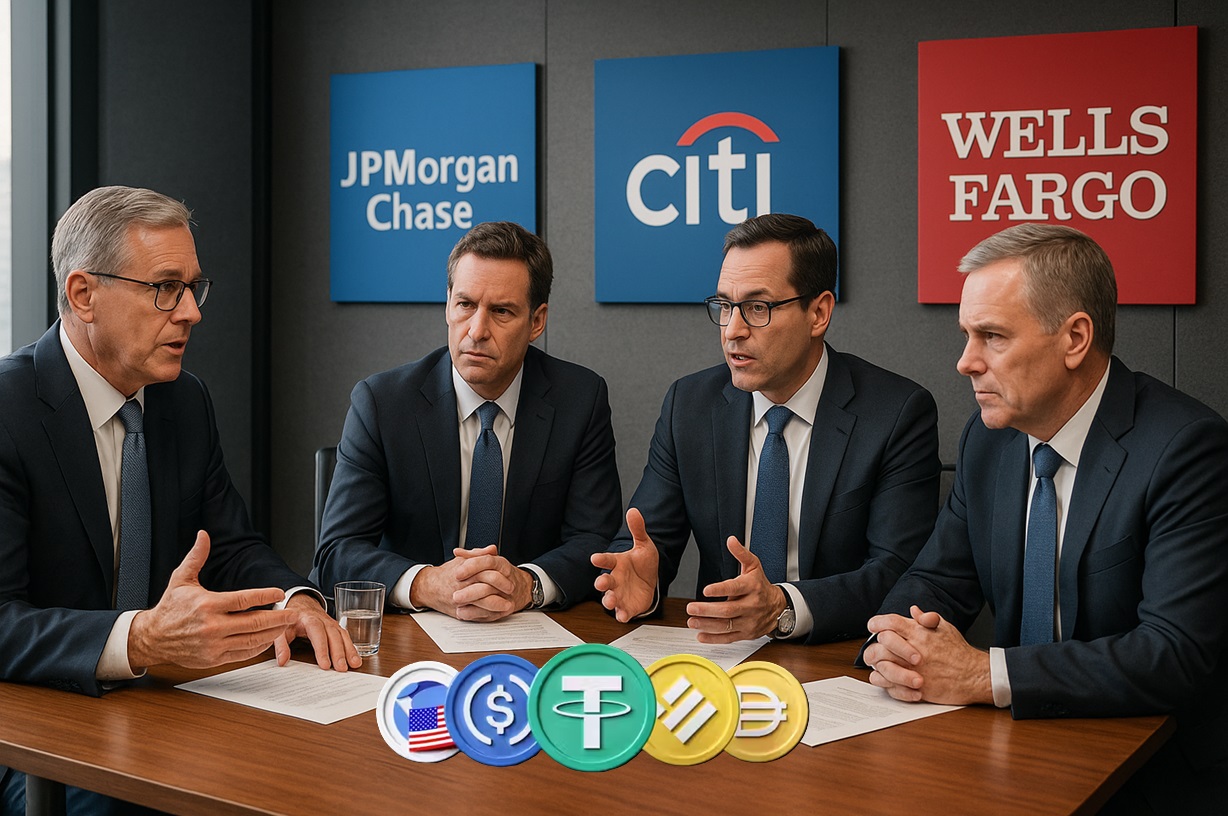

- The Office of the Comptroller of the Currency has approved banks to hold crypto assets for permissible activities.
- In addition to previously permissible activities, banks can also hold crypto assets for testing products and services.
Two years after regulators warned banks that issuing or holding crypto on decentralized networks could be highly inconsistent with safe banking practices, the Office of the Comptroller of the Currency has openly greenlighted the custody of certain crypto assets for the purpose of paying gas fees on blockchain networks.
In an interpretive letter on Tuesday, the Office of the Comptroller of the Currency (OCC) clarified that banks could engage in some permissible activities related to paying crypto-asset network fees.
The “Interpretive Letter 1186” stated that a national bank can pay blockchain network fees, otherwise known as gas fees, for permissible transactions and hold crypto amounts on the balance sheet required to pay gas fees for which the bank reasonably projects a future necessity.
The letter specifically permits banks to hold as capital, crypto assets to be used as “transaction fees on distributed ledger technology networks.” However, the OCC emphasized that the letter is a response to an earlier request and does not particularly proscribe any activity involving “holding crypto assets as principal” as part of banking business.
“Similarly, we confirm that the Bank may hold amounts of crypto-assets as principal necessary for testing otherwise permissible crypto-asset-related platforms, whether internally developed or acquired from a third party,” noted the OCC.
The agency recognized that a bank could decide to design or acquire a crypto asset platform from a third party. Such acquisitions, which are typically for providing crypto custody services, usually pass through a testing phase before being rolled out to customers.
According to the OCC, such permissible testing ensures the fidelity of the bank’s control systems, its security, and its ability to abide by applicable rules and regulations.
If banks are not allowed to hold crypto assets sufficient for testing the services they seek to provide, they would most likely seek the services of third parties to gain access to the crypto assets they need. This situation leaves them vulnerable to certain risks that could prevent them from thoroughly and subsequently carrying out the tests.
OCC Guidance Strengthens Integration Between TradFi and DeFi
The OCC’s letter signifies a major breakthrough in the long-standing attempts to merge traditional finance with decentralized finance. Furthermore, the enactment of the GENIUS (Guiding and Establishing National Innovation for U.S. Stablecoins) Act has empowered banks to engage in stablecoin activities that also align with the OCC’s permissible activities for national banks.
In summary, the new guidance from the subagency provides regulatory clarity for banking institutions, further undoing the damages of the enforcement style of regulation imposed on the digital asset industry before the Trump administration.
The direct exposure of national banks to crypto for blockchain fees and other activities is a big win for crypto adoption. The banking industry, however, would need to reciprocate by unreservedly granting big crypto access to its payment rails, thereby bolstering interoperability.
What’s your Reaction?
+1
0
+1
0

+1
0

+1
0

+1
0

+1
0

+1
0