
Cryptocurrencies in Europe are no longer just an investment — they are increasingly becoming a real means of payment. The idea of buying a coffee, shopping at the supermarket, or even paying bills with Bitcoin or stablecoins once sounded like science fiction. Today, it’s already a reality, and by 2026, these possibilities will expand even further.
More and more solutions now allow people to pay with crypto just as easily as with a regular bank card. Many of them work flawlessly across Europe — the conversion happens instantly, and the merchant receives a normal payment in euros.
In this article, we present five of the most practical ways to pay with cryptocurrencies in Europe, suitable for everyday use. At the top of the list is the most complete solution — Trustee Plus + Quicko Digital, combining a wallet, payment card, and transfers in one.
How does paying with cryptocurrencies work?
Today in Europe, paying with crypto can be done in two main ways:
Indirectly – through automatic conversion
This is the most common model. The user keeps funds in cryptocurrencies (e.g., BTC, ETH, USDC), and at the time of payment, the system automatically converts them into the local currency — in Europe, usually euros. To the shop or restaurant, the transaction looks identical to a standard Visa or Mastercard payment.
That’s exactly how crypto cards and apps such as Trustee Plus or Revolut work.
Directly – when the merchant accepts crypto
In this model, the merchant actually accepts cryptocurrency (e.g., Bitcoin), and the payment is made directly from the user’s wallet without conversion. In Europe, this is still less common but growing, especially among online stores, hosting providers, IT companies, and selected restaurants using systems such as BitPay or CoinGate.
The most important thing is that users no longer need to manually sell their crypto on an exchange or transfer funds to a bank. The entire process is automatic, happens in the background, and takes no longer than a normal card payment.
Thus, by 2026, using cryptocurrencies in Europe will become even easier — instead of being seen only as an investment, more and more people will use them in their daily lives.
Top 5 Ways to Pay with Cryptocurrencies in Europe in 2026
The options for paying with crypto in Europe are expanding rapidly — from payment cards to direct transactions with merchants. Let’s look at the most practical solutions already available and those expected to become standard by 2026.
Trustee Plus + Quicko Digital – the simplest and most versatile option
Trustee Plus + Quicko Digital connects the world of cryptocurrencies with everyday payments. On one hand, you have the Trustee Plus app, which allows you to store and exchange digital assets; on the other, the Quicko Digital payment card, with which you can pay in supermarkets, cafés, or online — as easily as with a regular bank card.
Personal IBAN for transfers
Trustee allows users to generate a personal IBAN within the SEPA system. This means you can also use the app as a bank account: send euro transfers, receive funds from clients or friends, and even pay rent or bills. The best part is that when you exchange crypto in the app, the funds become immediately available for transfers.
How it works in practice
At the point of sale, your crypto funds are instantly converted into the local currency (usually euros) at the current exchange rate. The cashier sees a normal card transaction, and you pay with crypto just as easily as with cash or a debit card.
Daily convenience
The Quicko Digital card supports Apple Pay and Google Pay, so all you need is your smartphone or smartwatch to pay. It has no monthly fees, and the monthly limit goes up to €50,000, making it suitable for both daily purchases and larger expenses.
Who is it ideal for?
It’s a perfect solution for those who want to:
- pay with crypto in supermarkets and online stores across Europe,
- have wallet, exchange, and transfers all in one app,
- avoid hidden fees and complicated conditions,
- use a simple, user-friendly app without technical barriers.
Industry recognition
The Trustee wallet was recognized by one of the leading crypto media outlets in Eastern Europe — Incrypted, which named it the best crypto wallet in the region. This confirms that it’s not only practical for users but also valued by market experts.
Other Crypto Cards (Crypto.com, Wirex)
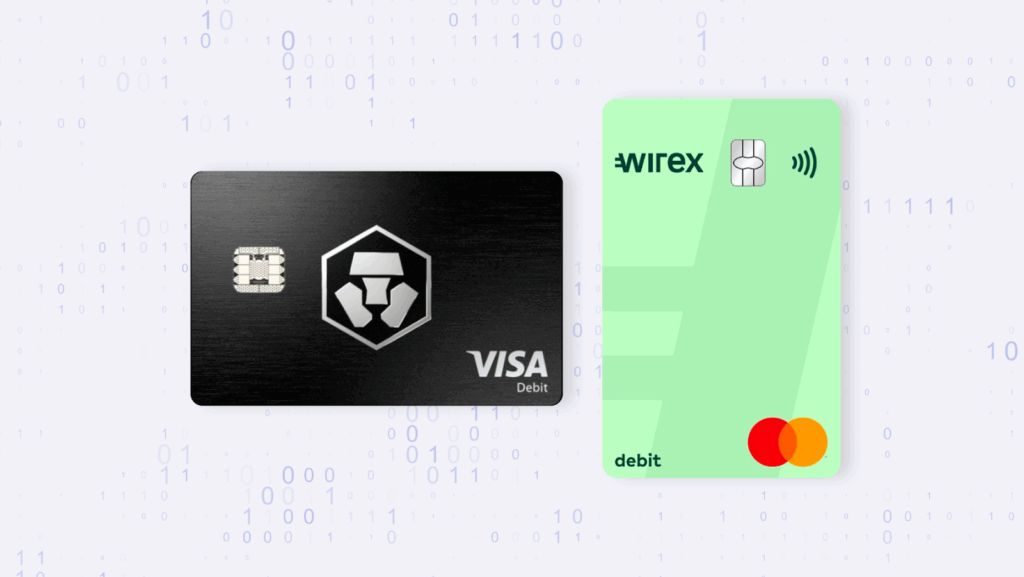
Apart from Trustee Plus, there are also other crypto cards available across Europe, such as Crypto.com Visa Card and Wirex Card.
The Crypto.com Visa Card works anywhere Visa payments are accepted in Europe. The system automatically converts crypto to euros at the time of purchase and offers cashback programs ranging from 1% to several percent, depending on the card tier. However, it requires holding or staking CRO tokens, which may not appeal to everyone.
The Wirex Card is a simpler alternative. It instantly converts crypto into euros, works for both physical and online payments, and offers cashback in WXT tokens. It supports multiple cryptocurrencies and operates smoothly across Europe.
Both are convenient, but they require more setup than Trustee Plus and lack features such as a personal IBAN.
Revolut with Crypto Function
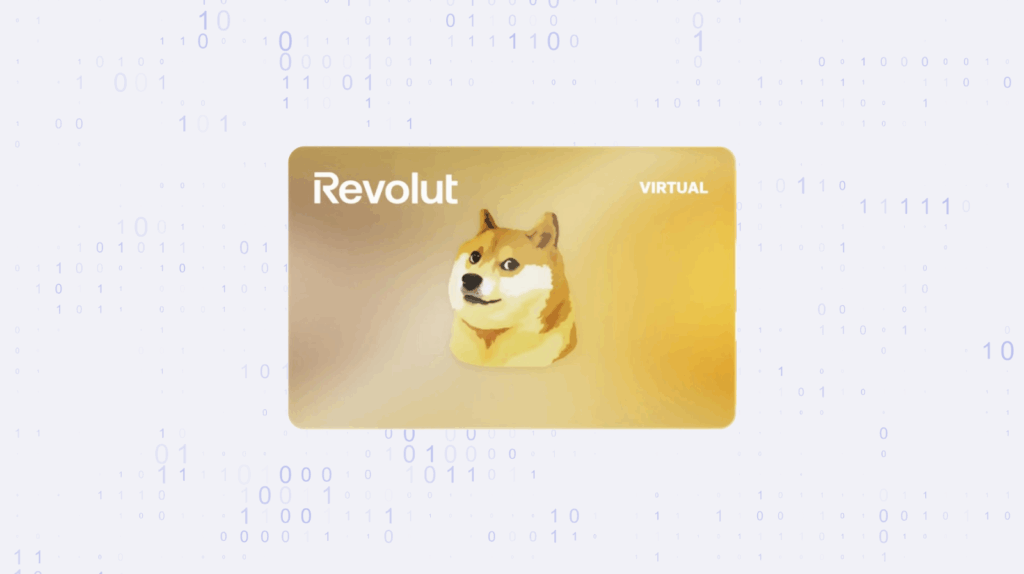
Revolut is a popular financial app that has allowed users to buy and sell crypto for several years. While it’s not a classic crypto card, it effectively enables paying with crypto funds in European supermarkets and online stores.
How it works: The user buys Bitcoin or Ethereum within the app, sells it for euros, and the funds are instantly added to the main balance. These can then be used with the Revolut card (physical or virtual, linked to Apple Pay or Google Pay).
Advantages: simplicity and wide acceptance — Revolut works almost everywhere in Europe.
Disadvantages: less control over your crypto (you can’t transfer it to external wallets) and higher exchange fees compared to dedicated crypto apps.
Direct Crypto Payments with Merchants
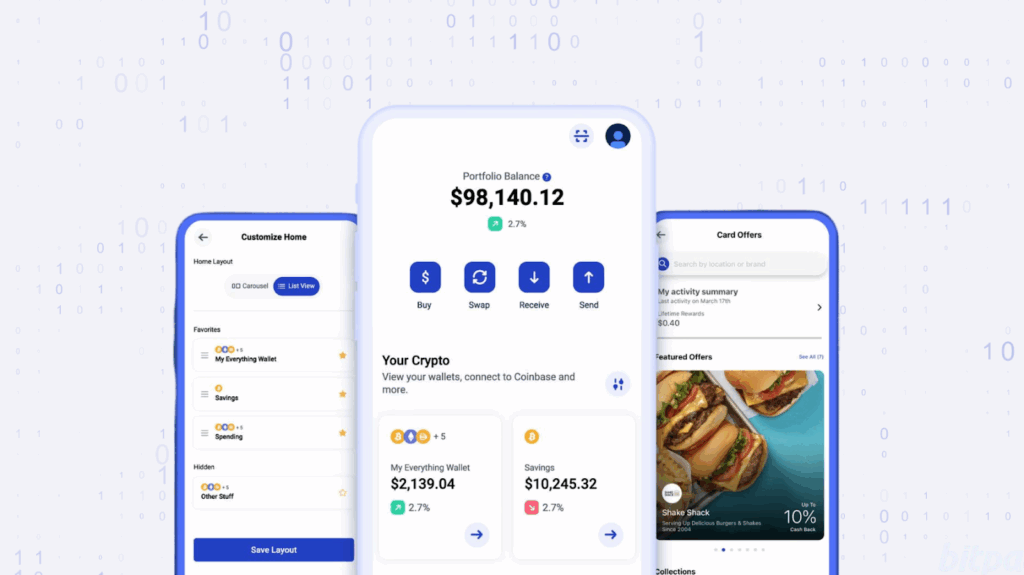
Although automatic conversion to euros is still the dominant model in Europe, more and more merchants and service providers are beginning to accept direct crypto payments.
In practice, this means you can pay with Bitcoin, Ethereum, or stablecoins, and the merchant receives either crypto or euros through a payment processor.
Platforms like BitPay make it easy for online stores and terminals to integrate crypto payments. Across Europe, this option is most common in e-commerce, IT, tourism, and hospitality — you can pay for accommodation, online courses, or even meals in select restaurants.
It’s not yet as widespread as crypto cards, but it has one clear advantage: there’s no conversion — you pay directly in the currency you hold.
Vouchers and Gift Cards with Crypto
Another practical way to spend crypto in Europe is through vouchers and gift cards purchased directly with cryptocurrency.
Here’s how it works: on dedicated platforms, you choose a gift card for a store or supermarket, pay in Bitcoin, Ethereum, or stablecoins, and receive a digital code or card you can use at checkout.
Examples include Bitrefill and CoinGate, which offer vouchers for popular retail chains and online stores.
Even where crypto isn’t accepted directly, this lets you make purchases without exchanging to euros — perfect for spending crypto on specific goods or sending a gift to someone who doesn’t use digital currencies.
Conclusion
Paying with cryptocurrencies in Europe is becoming increasingly simple and accessible. Thanks to solutions such as crypto cards, apps, and vouchers, it’s now possible to use Bitcoin, Ethereum, or stablecoins for virtually anything — from groceries to utility bills to gifts.
In our ranking, we’ve highlighted five of the most convenient methods — from the all-in-one Trustee Plus + Quicko Digital solution to other crypto cards, Revolut, direct merchant payments, and vouchers. Each has its own advantages, but all point to the same trend: cryptocurrencies are no longer just an investment — they’re becoming a real means of payment.
Among them, Trustee Plus stands out by combining a wallet, transfers, and a payment card in one. Thanks to solutions like this, by 2026, crypto payments across Europe may become part of everyday life.
If you liked this article you might also want to learn about the Bybit Debit Card.
What’s your Reaction?
+1
0

+1
0

+1
0

+1
0

+1
0

+1
0

+1
0