
- A consortium, comprised of ING, UniCredit, Banca Sella, KBC, Danske Bank, DekaBank, SEB, CaixaBank, and Raiffeisen Bank International, is working on a stablecoin denominated in euros.
- The asset will run in compliance with the provisions of the EU’s MiCAR.
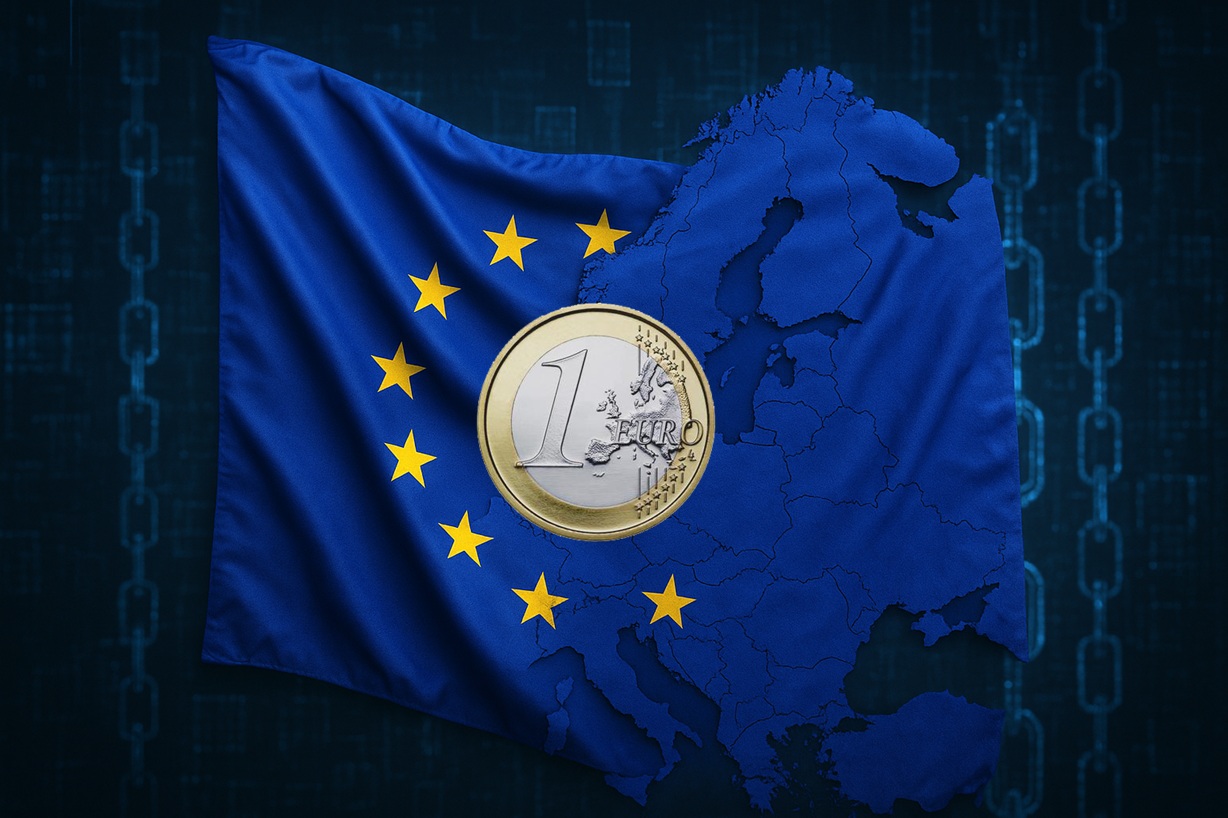
ING, UniCredit, Banca Sella, KBC, Danske Bank, DekaBank, SEB, CaixaBank, and Raiffeisen Bank International are joining forces to create a euro-based stablecoin. The group aims to make the asset a “trusted European payment standard,” which will comply with the provisions of the European Union’s MiCAR (Markets in Crypto-Assets Regulation).
EU’s MiCAR
MiCAR is a landmark law that took full effect on December 30 last year. It offers a comprehensive and harmonized regulatory framework for cryptocurrency assets operating in EU that are not covered by other financial legislation.
The rules center on providing regulatory clarity, protecting consumers, supporting digital asset innovation, ensuring market integrity, and reinforcing financial stability across the European Economic Area (EEA).
The Incoming MiCAR-Compliant Euro Stablecoin
According to ING, the planned stablecoin will enable near-instant, cost-efficient payments and settlements. It also features 24/7 access for cross-border payments, programmable payments, and improvements to supply chain management and digital asset settlements. These range from securities to crypto.
The consortium targets to launch the euro stablecoin by the second half of 2026. It revealed that it had already formed a new company in the Netherlands. The group will license the business as an e-money entity under the supervision of the Dutch Central Bank.
ING stated that the group welcomes more banks joining the stablecoin project. Additionally, it said the consortium will appoint the CEO of its Netherlands-based company “in the near future, subject to regulatory approval.”
Floris Lugt, Digital Assets lead at ING, currently serves as the joint public representative of the EU stablecoin initiative.
“Digital payments are key for new euro-denominated payments and financial market infrastructure,” said Lugt. “They offer significant efficiency and transparency, thanks to blockchain technology’s programmability features and 24/7 instant cross-currency settlement.”
“We believe this development requires an industry-wide approach, and it’s imperative that banks adopt the same standards,” he added.
USD Stablecoin Dominance Eroding the Euro
Jürgen Schaaf, Adviser of Market Infrastructure & Payments at the European Central Bank (ECB), warned in July that European monetary sovereignty and financial stability are in danger of erosion from the increasing influence of US dollar-based stablecoins. Hence, he recommended a strategic response focused on strengthening the euro.
Furthermore, the ECB official explained that USD stablecoins account for around 99% of the stablecoin market capitalization. Meanwhile, their euro-based counterparts hold a minuscule share at less than €350 million. Despite the associated risks of its adoption, he suggested that the EU must take advantage of the unique opportunity in the market to build a resilient euro stablecoin to boost the position of the EU’s currency on the global stage.
What’s your Reaction?
+1
0
+1
0

+1
0

+1
0

+1
0

+1
0

+1
0